

The 48 Laws of Power in the Modern Music Industry: Strategy, Influence, and Survival
The contemporary music industry is often described as creative, fast-moving, and democratized by technology. Yet beneath streaming platforms, viral trends, and social media algorithms lies a competitive structure shaped by hierarchy, alliances, reputation, and calculated visibility. When examined through the framework of The 48 Laws of Power by Robert Greene, the modern music business reveals itself as a living laboratory of power dynamics.
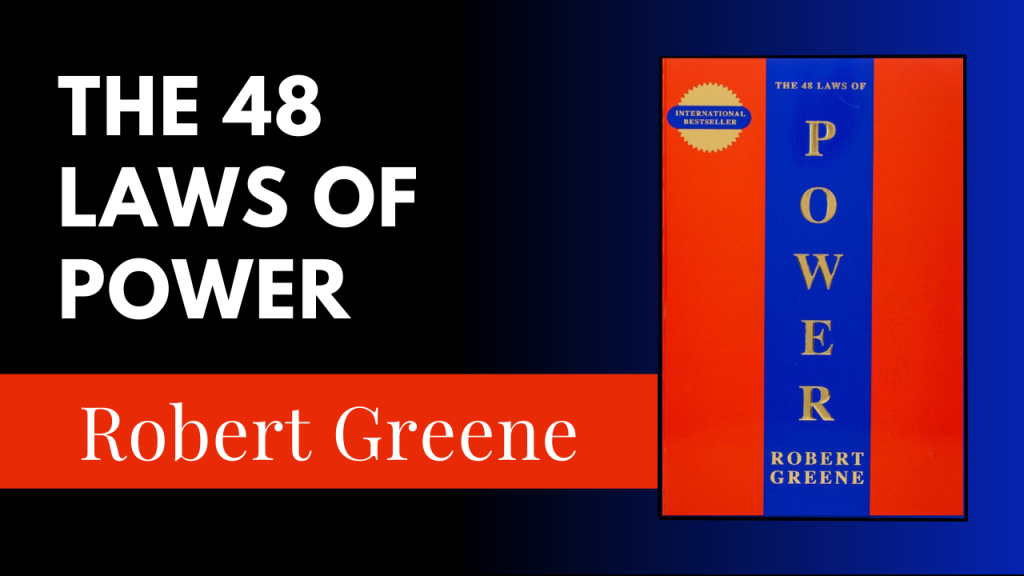
Although Greene’s work draws heavily from historical political and military strategy, its principles resonate strongly in today’s entertainment ecosystem. Artists, executives, managers, and even influencers operate within systems that reward perception management, strategic alliances, timing, and adaptability. The music industry, particularly in the streaming era, illustrates how these laws evolve in digital form.
Power Has Shifted But It Has Not Disappeared
The rise of platforms such as Spotify and Apple Music has changed distribution mechanics. However, power has not dissolved; it has relocated. Instead of record-store gatekeepers, algorithms and playlist curators now influence exposure. Instead of physical sales battles, artists compete for attention cycles.
Greene’s central thesis—that power is relational and psychological applies seamlessly. Control over visibility, narrative, and alliances determines survival. Talent initiates careers; strategy sustains them.

Law of Reputation: The Currency of the Industry
Reputation functions as a stabilizing force in music. In hip-hop, pop, and even independent scenes, credibility shapes audience loyalty. Once damaged, it is difficult to restore.
Public disputes, allegations, or perceived inauthenticity can significantly weaken market position. Conversely, carefully managed reputation enhances negotiating leverage with labels and sponsors.
Greene emphasizes that so much depends on reputation—guard it with your life. In the digital age, where narratives travel instantly, reputation management has become continuous rather than episodic. Silence, response, and timing all contribute to preserving authority.
Visibility as Survival
Obscurity is more dangerous today than criticism. The modern music landscape is saturated with content. Thousands of tracks are uploaded daily. Remaining visible requires strategic calculation.
Artists use controlled controversy, calculated collaborations, and aesthetic branding to maintain relevance. Viral moments—whether organic or engineered—often sustain chart longevity.
Greene’s assertion that attention must be courted applies strongly in the streaming era. Visibility fuels algorithmic recommendations, which in turn fuel streams. Power compounds when presence becomes habitual.
Strategic Alliances and Borrowed Influence
Collaborations are rarely random. Features between artists often reflect mutual leverage. An emerging artist gains mainstream exposure; an established figure absorbs cultural freshness.
These alliances mirror Greene’s guidance on using association to elevate status. Aligning with the right collaborator at the right moment can reposition an artist within industry hierarchies.
Beyond musicians, alliances with producers, brand sponsors, and digital platforms strengthen structural stability. Influence expands through networks rather than isolation.
Timing as Competitive Weapon
Release timing has evolved into a strategic science. Album drops are coordinated around:
- Competing major releases
- Seasonal streaming spikes
- Cultural events
- Touring cycles
Surprise releases disrupt opponents and capture headlines. Delayed projects can build anticipation. Misjudged timing, however, risks irrelevance.
Greene’s principle of mastering timing remains central. In a hyper-accelerated environment, anticipation and unpredictability increase impact.
Adaptability and Formlessness
Rigid artistic identity often limits longevity. The modern industry rewards adaptability—genre blending, cross-cultural collaboration, and stylistic evolution.
Streaming platforms encourage experimentation because global audiences are more interconnected than ever. Artists who refuse to evolve may maintain niche loyalty but struggle with mass relevance.
Greene’s final law—assume formlessness—resonates here. Those who adapt to shifting trends without appearing opportunistic maintain durable authority.
Narrative Control in the Age of Social Media
Social media platforms such as Instagram and TikTok have decentralized publicity. Artists can bypass traditional media, addressing audiences directly.
This autonomy introduces both opportunity and risk. One misjudged post can destabilize months of planning. Conversely, a cryptic teaser can ignite global anticipation.
Narrative control—deciding when to speak, when to remain silent, and how much ambiguity to maintain—reflects Greene’s insights into perception management. In many cases, silence exerts greater power than reactive explanation.
Conflict as Structural Reality
Rivalries have historically shaped music culture. From lyrical battles to public disagreements, conflict often increases engagement. However, escalation must be controlled.
Greene advises crushing enemies decisively when necessary. In music, this translates into strategic responses—diss tracks, calculated interviews, or deliberate avoidance.
Conflict without strategy erodes reputation. Conflict with timing and clarity can reinforce hierarchy.
Institutional Power vs. Individual Popularity
Short-term viral success differs from structural influence. Artists who build labels, production houses, or brand partnerships create institutional power.
Ownership of masters, publishing rights, and distribution agreements determines long-term wealth and autonomy. The music industry increasingly rewards those who combine creative and business intelligence.
Greene’s broader philosophy underscores consolidation. Power stabilizes when diversified and institutionalized rather than dependent on a single revenue stream.
Emotional Intelligence as Modern Leverage
Audiences in the digital era value relatability. Artists who express vulnerability, social awareness, or personal growth often build deeper loyalty.
Emotional transparency functions as psychological connection. It humanizes authority without dismantling hierarchy.
Understanding collective mood—political climates, cultural sensitivities, generational anxieties—enables artists to align messaging with audience sentiment. Greene repeatedly emphasizes reading the emotional temperature of the environment.
Algorithmic Gatekeeping and Invisible Hierarchies
While record labels once monopolized exposure, algorithmic systems now perform a similar role. Playlist placements, trending sound features, and recommendation engines shape discoverability.
Understanding these systems—track length optimization, release frequency, and audience retention metrics—constitutes a new form of strategic literacy.
Power in the modern industry requires comprehension of invisible digital hierarchies. Ignoring algorithmic dynamics places artists at structural disadvantage.
Power Remains the Underlying Constant
The modern music industry may appear democratized, but it remains deeply structured by influence, alliances, timing, and psychological awareness. The 48 Laws of Power offers a lens through which these dynamics become visible.
From reputation management and strategic collaborations to adaptability and narrative control, Greene’s framework illuminates patterns that define contemporary success. Artists who endure are rarely accidental beneficiaries of luck; they operate within power systems—consciously or instinctively.
Technology has changed the tools. The psychology of power remains intact.
In this sense, the modern music industry is not separate from historical courts or political arenas. It is their digital descendant—where influence circulates at the speed of streaming, but strategy still determines who remains at the center.
