
What Power Moves Does Drake Use? A Strategic Breakdown Through The 48 Laws of Power
Power in the modern music industry is rarely accidental. It is constructed through alliances, perception control, timing, cultural intelligence, and strategic reinvention. Over the past decade and a half, Drake has demonstrated an unusual ability to remain dominant in an industry where most artists peak briefly and decline. When examined through the lens of The 48 Laws of Power by Robert Greene, Drake’s career reveals a consistent pattern of calculated power moves.
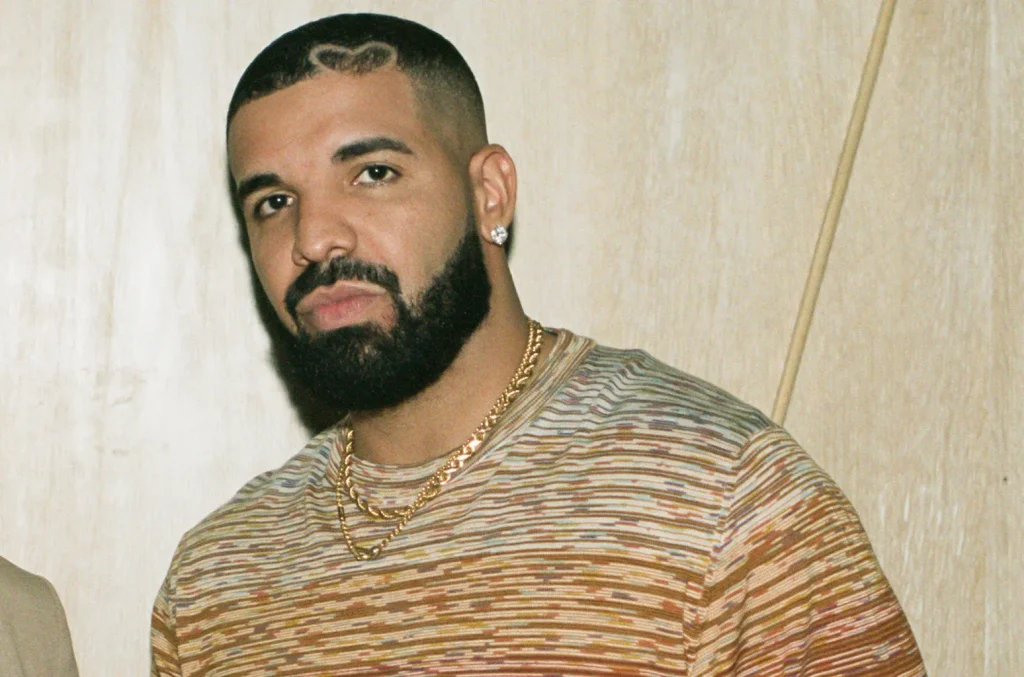
This analysis explores the strategic methods behind his longevity and influence.
1. Aligning With Power Before Becoming Power
One of Drake’s earliest decisive moves was aligning himself with Lil Wayne at a time when Wayne was at the height of his cultural authority. Instead of competing prematurely, Drake positioned himself as a protégé under Young Money Entertainment.
This reflects a central idea in The 48 Laws of Power: never outshine the master too soon. By reinforcing Wayne’s dominance rather than challenging it, Drake gained credibility, protection, and exposure. He absorbed institutional power before attempting to build his own empire.
Strategically, this move provided leverage without unnecessary resistance.
2. Converting Early Fame Into Strategic Leverage
Before rap superstardom, Drake appeared in Degrassi: The Next Generation. Rather than distancing himself completely from his acting background, he used that visibility as a launching platform.
Many artists attempt to reinvent themselves by erasing past identities. Drake did the opposite. He converted pre-existing recognition into curiosity and audience crossover. This is a classic leverage strategy: use available assets instead of abandoning them.
Power often grows from repurposing what others overlook.
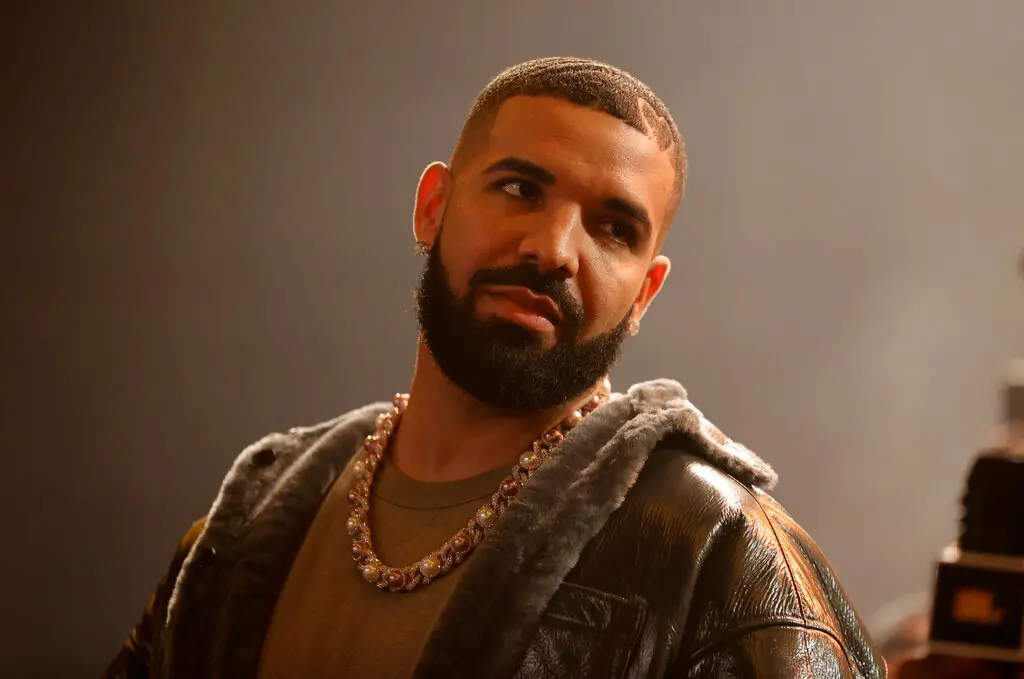
3. Controlling the Emotional Narrative
A defining feature of Drake’s strategy is emotional positioning. Hip-hop historically rewarded aggression and dominance. Drake introduced vulnerability into mainstream rap without surrendering authority.
By discussing heartbreak, insecurity, and ambition, he built psychological intimacy with listeners. This created an unusually loyal fan base. Emotional accessibility broadened his demographic reach, particularly among audiences traditionally less engaged with hardcore rap.
Greene’s framework emphasizes understanding human psychology. Drake’s emotional transparency operates as influence, transforming relatability into market power.
4. Weaponizing Timing
Timing distinguishes influence from randomness. Drake’s album releases frequently coincide with culturally advantageous moments—summer dominance cycles, streaming surges, or competitive gaps.
Surprise projects such as If You’re Reading This It’s Too Late disrupted conventional rollout strategies. The element of unpredictability kept audiences attentive while limiting competitors’ preparation time.
In power dynamics, surprise destabilizes rivals and magnifies impact. Drake’s mastery of timing demonstrates long-term strategic planning rather than reactive behavior.
5. Turning Conflict Into Capital
Few artists have managed public rivalries as effectively. During his dispute with Meek Mill, Drake released “Back to Back,” a diss track that transcended the battle itself and entered mainstream recognition.
Instead of allowing conflict to damage his reputation, he transformed it into momentum. This reflects a core lesson in The 48 Laws of Power: use enemies strategically. A visible opponent sharpens your profile.
Conflict, when controlled, becomes advertisement.
6. Strategic Cultural Adaptation
Drake’s stylistic shifts are often debated. He has integrated UK drill, dancehall, Afrobeat, and melodic R&B into his catalog. Critics sometimes label this opportunism. Strategically, it reflects adaptability.
Rigid identities collapse under cultural change. Drake embeds himself within emerging scenes early, collaborating directly with artists native to those movements. This reduces resistance while expanding reach.
Formlessness—an idea emphasized in Greene’s work—allows survival across eras. Drake’s refusal to remain stylistically fixed protects his relevance.
7. Playing the Underdog While Dominating
Despite sustained commercial success, Drake often frames himself as doubted or underestimated. This rhetorical positioning triggers fan loyalty. Supporters rally behind perceived injustice.
Psychologically, audiences defend figures who appear challenged rather than complacent. By maintaining an underdog narrative—even at the top—Drake sustains emotional engagement.
This duality strengthens dominance without appearing detached.
8. Building an Ecosystem, Not Just a Career
Drake’s October’s Very Own (OVO) brand extends beyond music. Through merchandise, events, and artist signings, he has constructed an ecosystem.
Institutional power outlasts individual popularity. By developing a brand infrastructure, Drake reduces dependency on chart cycles alone. Diversification creates resilience.
In The 48 Laws of Power, accumulation of multiple influence channels strengthens control. Drake’s ecosystem approach mirrors this philosophy.
9. Calculated Mystery
Drake maintains selective visibility. Interviews are limited. Social media posts are often cryptic. This controlled exposure enhances intrigue.
Scarcity increases value. By revealing just enough to sustain curiosity, he avoids overexposure. In influence dynamics, mystery amplifies perception.
Public figures who overshare risk diminishing authority. Drake’s restraint reinforces status.
10. Mastering the Streaming Era
Drake recognized early that streaming would reshape music economics. Instead of resisting change, he optimized for it. Long tracklists, playlist-friendly singles, and global collaborations ensured algorithmic dominance.
Strategically, this reflects anticipation. Greene’s framework repeatedly stresses foresight—planning beyond immediate circumstances. Drake’s streaming adaptation positioned him ahead of less flexible competitors.
He did not fight the system; he mastered it.
11. Maintaining Dual Identity
Drake’s persona operates on two parallel tracks:
- Sensitive introspective artist
- Competitive battle rapper
This duality widens market share. It also prevents simplistic categorization. Opponents struggle to define him narrowly, limiting strategic attacks.
Ambiguity strengthens resilience. By existing in multiple lanes simultaneously, Drake reduces vulnerability.
12. Reputation Defense
When confronted with criticism—ghostwriting allegations, authenticity debates—Drake typically responds indirectly through performance metrics and output consistency.
Instead of prolonged public defense, he counters with chart success and new material. This shifts focus from controversy to results.
Reputation, once damaged, is difficult to repair. Drake’s method emphasizes momentum over argument.
A Blueprint for Modern Cultural Power
Drake’s power moves are not isolated incidents; they form a consistent strategic pattern. Aligning with established authority, leveraging early visibility, controlling narrative, weaponizing timing, adapting culturally, and building institutional infrastructure all contribute to sustained dominance.
Viewed through The 48 Laws of Power, his career appears less accidental and more architectural. Whether consciously applying Greene’s principles or operating through refined instinct, Drake demonstrates how power functions in the digital era.
Longevity in entertainment requires more than talent. It demands psychological insight, strategic patience, adaptive reinvention, and control over perception.
Drake’s career stands as a contemporary case study in how influence evolves—and how power, when managed carefully, compounds over time.
