

Conquest and Strategy: Genghis Khan Through the Lens of The 48 Laws of Power
The life and conquests of Genghis Khan provide a striking historical illustration of the principles described in The 48 Laws of Power. From his early life as Temüjin, a marginalized Mongol clan member, to unifying the Mongolian steppes and establishing one of the largest empires in history, Genghis Khan applied strategies that resonate deeply with Greene’s laws. His mastery of perception, ruthless decisiveness, psychological warfare, and institutional innovation shows that the laws of power transcend time, culture, and technology.
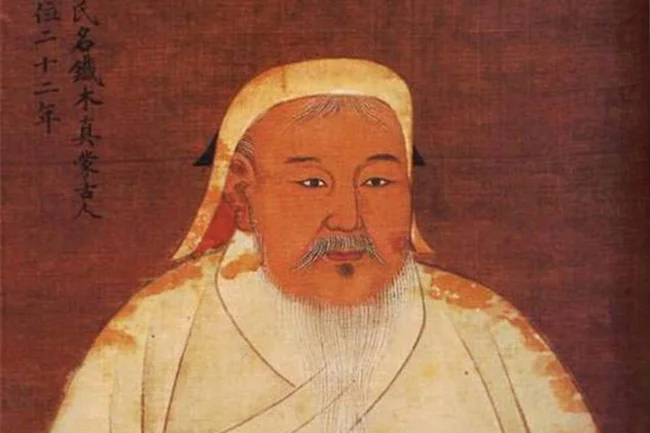
Genghis Khan’s rise was neither smooth nor inevitable. He navigated a fragmented tribal society, rival clans, and external threats. Understanding the mechanics of influence and authority allowed him to convert instability into an unprecedented power base.
Law 1: Never Outshine the Master
As a youth, Temüjin learned the value of respect and hierarchy. He aligned himself carefully with powerful tribal leaders while demonstrating competence and loyalty. By showing skill without overtly challenging his elders, he avoided early elimination.
Greene’s first law emphasizes that threatening superiors can provoke retaliation. Temüjin’s early alliances laid the foundation for his eventual rise by ensuring he survived the volatile politics of Mongol clans.
Law 3: Conceal Your Intentions
Genghis Khan frequently employed deception in both politics and warfare. Before major battles, he often misled enemies about troop numbers, directions of advance, or timing of attacks. For instance, during campaigns against the Jin dynasty, feigned retreats lured opposing armies into traps.
Greene highlights that hidden intentions prevent opponents from preparing effectively. Genghis Khan’s mastery of surprise created both psychological and strategic advantages that repeatedly allowed him to outmaneuver numerically superior forces.

Law 6: Court Attention at All Costs
Even in the harsh steppes, Genghis Khan understood the value of reputation. Tales of his ruthlessness, discipline, and strategic brilliance spread across tribes and rival kingdoms. News of his victories often preceded his army, causing fear and surrender without combat.
Greene argues that attention is a form of power. By ensuring that his presence—or even reputation—was omnipresent, Genghis Khan amplified influence and reduced unnecessary conflict.
Law 15: Crush Your Enemy Totally
One of the defining features of Genghis Khan’s campaigns was decisive destruction. Cities resisting Mongol conquest, such as Nishapur and Samarkand, were often razed, with surviving populations either incorporated or eliminated.
Greene’s Law 15 warns against partial victories, which invite retaliation. Genghis Khan understood that leaving rivals intact could allow rebellion. By crushing enemies comprehensively, he secured long-term dominance and minimized threats to his expanding empire.
Law 11: Learn to Keep People Dependent on You
Genghis Khan consolidated power by creating loyalty through opportunity and reward. Tribal leaders who submitted were often elevated to positions of authority within his administration. Soldiers were rewarded for loyalty and skill rather than lineage, creating dependence on his leadership for survival and prosperity.
Greene emphasizes that dependency reinforces authority. By tying the ambitions of Mongol leaders and warriors to his vision, Genghis Khan transformed potential rivals into allies invested in the stability of his reign.
Law 28: Enter Action with Boldness
The Mongol conquests reflect audacious strategy. Crossing deserts, rivers, and hostile territories to confront powerful empires such as the Khwarazmian Sultanate required boldness and confidence.
Greene notes that bold action deters hesitation. Genghis Khan’s decisiveness inspired his troops, intimidated enemies, and created a psychological advantage that often prefigured military victory.
Law 34: Be Royal in Your Own Fashion
Despite originating from a tribal society, Genghis Khan established symbols of authority and legitimacy. His laws, codified in the Yassa, and his disciplined military structure projected the power of a sovereign beyond mere tribal chieftainship.
Greene observes that acting with inherent authority commands respect. Genghis Khan’s combination of military prowess, legal authority, and cultural reforms made him both feared and revered, solidifying loyalty across vast regions.
Law 19: Know Who You’re Dealing With
Diplomacy was central to Genghis Khan’s strategy. He assessed opponents’ strengths, weaknesses, and internal divisions before engagement. Tribes were often absorbed peacefully when possible, while stronger enemies faced overwhelming force.
Greene highlights that misjudging adversaries invites defeat. Genghis Khan’s careful evaluation of allies and enemies allowed him to expand efficiently without unnecessary losses.
Law 42: Strike the Shepherd and the Sheep Will Scatter
When confronting rival states, Genghis Khan targeted central authority figures. The assassination or capture of rulers disrupted enemy command structures, creating rapid collapse of resistance. Cities and armies often surrendered quickly once leadership was removed.
Greene emphasizes that eliminating central authority destabilizes opposition. Genghis Khan’s strategy ensured that enemies rarely recovered once their leadership was neutralized.
Law 25: Re-Create Yourself
Genghis Khan continuously reinvented his identity and leadership style to meet changing circumstances. From a clan leader to khan of a unified Mongol nation and then ruler of a vast empire, he adapted his approach to administration, military strategy, and diplomacy.
Greene notes that reinvention prevents stagnation and ensures enduring relevance. Genghis Khan’s ability to evolve transformed him from a tribal outcast into a legendary world ruler.
Law 47: Do Not Go Past the Mark You Aimed For
Although ambitious, Genghis Khan often consolidated gains before extending campaigns further. He fortified conquered regions and integrated diverse populations through law, culture, and military presence.
Greene warns that overextension risks collapse. Genghis Khan’s methodical approach allowed the Mongol Empire to expand rapidly while maintaining structural integrity.
The Mechanics of Power in the Mongol Context
Genghis Khan’s success was not solely due to military might. He excelled at psychological warfare, reputation management, and organizational innovation—principles central to The 48 Laws of Power. His blend of fear, loyalty, reward, and ruthlessness created a power network that extended across Eurasia.
Unlike leaders dependent on inherited status, Genghis Khan built authority through skill, strategy, and perception. His ability to combine strategic intelligence with decisive action exemplifies Greene’s view that power is both art and calculation.
Viewed through the framework of The 48 Laws of Power, Genghis Khan emerges as a master strategist of authority, reputation, and psychological influence. He cultivated loyalty, manipulated perception, eliminated threats decisively, and continually reinvented his approach to leadership.
Genghis Khan’s career demonstrates that power is not static; it requires a balance of audacity, foresight, and adaptability. His ability to unify the Mongols, conquer vast territories, and institute enduring governance structures reflects timeless principles of dominance articulated by Robert Greene. History remembers him not only for conquest but for a profound understanding of how authority operates—and how it can be wielded with precision, foresight, and relentless effectiveness.
