

How Frank Ocean Uses the 48 Laws of Power: A Strategic Analysis
Frank Ocean stands out as one of the most enigmatic and influential figures in contemporary music. His career reflects a careful orchestration of perception, audience psychology, and strategic autonomy, offering a masterclass in power dynamics within the entertainment industry. When examined through the lens of The 48 Laws of Power by Robert Greene, Ocean’s approach illustrates how subtlety, timing, and narrative control can consolidate authority without overt visibility or conventional publicity.
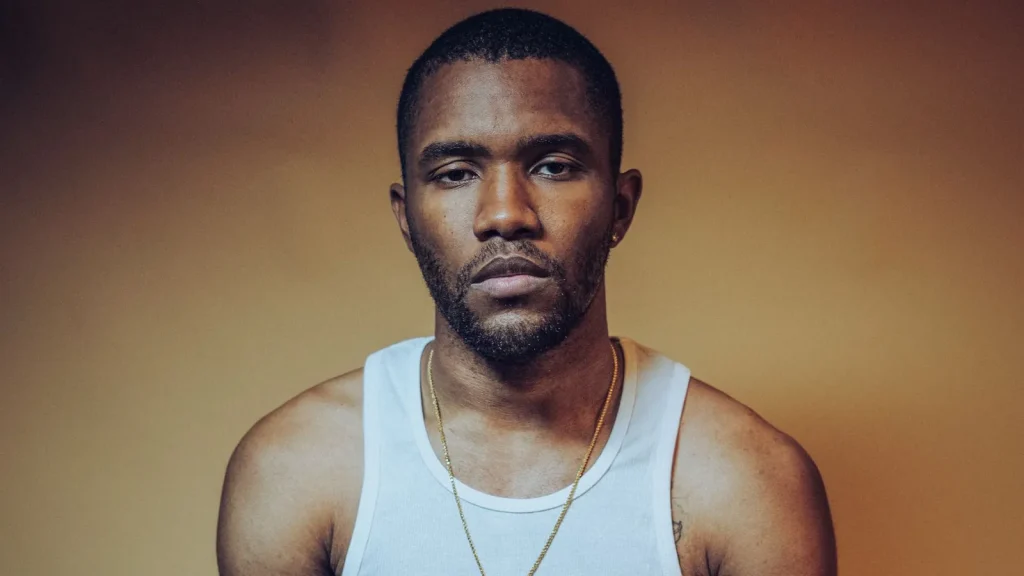
This article explores how Frank Ocean applies Greene’s laws—intentionally or intuitively—leveraging psychological and strategic tactics to maintain influence, shape culture, and secure long-term relevance.
1. Law 1 – Never Outshine the Master: Subtle Alliances
Frank Ocean’s early career was shaped by affiliations with industry veterans like Tyler, The Creator and the collective Odd Future. By associating with influential figures without overshadowing them, Ocean gained credibility while learning to navigate the power structures of the music industry.
Greene emphasizes that appearing overly ambitious early in one’s career provokes envy. Ocean’s measured early moves allowed him to cultivate authority subtly, setting the stage for his eventual independent influence.
2. Law 6 – Court Attention at All Costs: Strategic Visibility
Despite being notoriously private, Frank Ocean commands attention through meticulously timed releases and selective appearances. His albums Channel Orange and Blonde were accompanied by minimal promotion, yet each became cultural phenomena due to scarcity and the deliberate cultivation of mystique.
Greene asserts that attention is power. Ocean’s scarcity strategy ensures that public focus is amplified when he acts, transforming each release into a culturally dominant event.
3. Law 3 – Conceal Your Intentions: Mastering Mystery
Frank Ocean is known for withholding information about his projects, personal life, and creative process. This secrecy generates anticipation and speculation among fans and critics, maintaining prolonged cultural interest.
Greene emphasizes that concealing intentions allows one to maintain control over outcomes. Ocean’s selective communication preserves flexibility, directs audience perception, and enhances the impact of each artistic revelation.
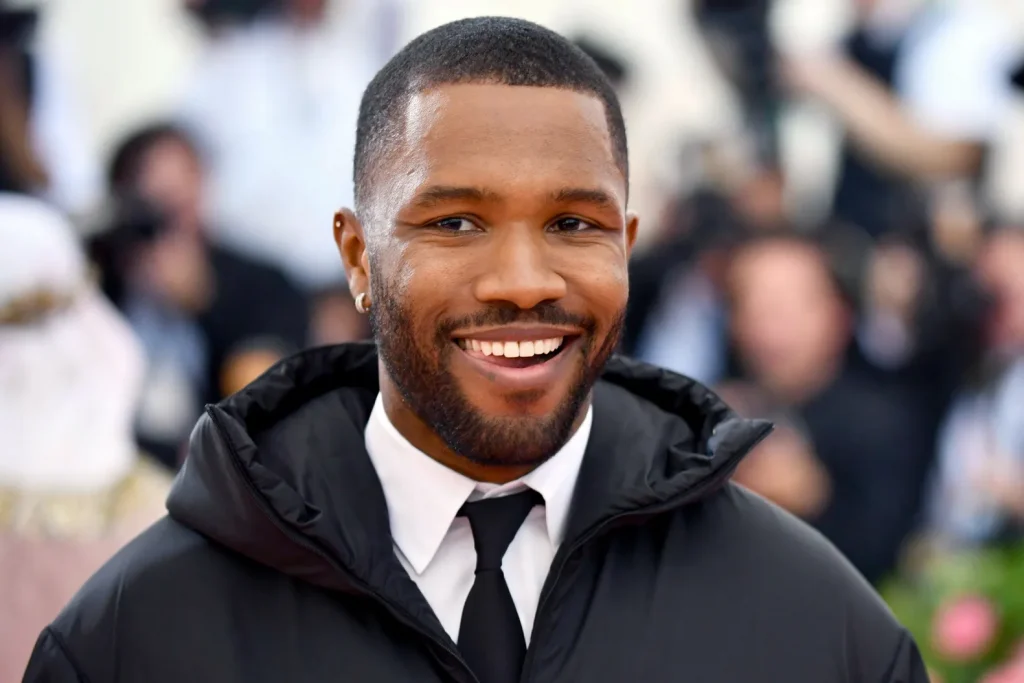
4. Law 15 – Crush Your Enemy Totally: Dominance Through Artistic Excellence
Rather than relying on feuds or controversy, Ocean establishes dominance through innovation and quality. His genre-defying music, poetic lyrics, and complex storytelling set him apart from contemporaries, compelling audiences and competitors to engage with his work on his terms.
Greene notes that partial victories allow rivals to recover. Ocean asserts supremacy through artistry itself, leaving little room for opposition to challenge his influence effectively.
5. Law 34 – Be Royal in Your Own Fashion: Persona as Authority
Frank Ocean projects an aura of individuality and independence. His fashion choices, album art, and public statements reflect a distinctive persona that commands respect without overt self-promotion.
Greene stresses that projecting confidence and uniqueness consolidates authority. Ocean’s cultivated image reinforces his status as an innovator and tastemaker in music and culture.
6. Law 27 – Play on People’s Need to Believe: Cultivating Devoted Fans
Ocean builds emotional resonance with his audience through deeply personal, reflective music that addresses identity, love, and social commentary. This fosters strong emotional connections, transforming listeners into loyal advocates.
Greene highlights that belief creates devotion. By engaging listeners’ emotions and values, Ocean secures cultural influence that extends beyond music into broader societal discourse.
7. Law 33 – Discover Each Man’s Thumbscrew: Audience Psychology
Frank Ocean demonstrates an intuitive understanding of fan psychology. He anticipates desires for authenticity, intimacy, and surprise, tailoring releases to maximize emotional impact and cultural resonance.
Greene emphasizes exploiting knowledge of human behavior. Ocean’s ability to engage psychological triggers deepens connection and ensures enduring influence
8. Law 6 & 29 – Master Timing and Strategic Pauses
Ocean utilizes timing strategically. Years-long gaps between albums create anticipation and cultural urgency, transforming each release into a landmark event rather than routine content.
Greene notes that timing magnifies influence. Ocean’s patience ensures that scarcity enhances value and reinforces cultural authority
9. Law 40 – Despise the Free Lunch: Maintaining Creative Autonomy
Frank Ocean maintains tight control over his music, publishing rights, and creative decisions. This independence allows him to navigate industry pressures while prioritizing artistic integrity.
Greene warns that dependence diminishes power. Ocean’s autonomy safeguards influence, providing freedom to innovate and sustain long-term authority.
10. Law 28 – Enter Action with Boldness
Ocean’s creative choices—experimental soundscapes, unconventional song structures, and provocative visuals—demonstrate boldness that captivates audiences and challenges industry norms.
Greene asserts that audacity signals power. Ocean’s fearless approach reinforces his authority, elevating him as a cultural and artistic leader.
11. Law 48 – Assume Formlessness: Adaptability and Evolution
Frank Ocean adapts stylistically and conceptually, moving between R&B, avant-garde, and experimental music. His formlessness allows him to navigate trends while remaining enigmatic, avoiding typecasting or creative stagnation.
Greene emphasizes that adaptability ensures survival. Ocean’s versatility ensures continued relevance, resilience, and influence across evolving musical and cultural landscapes.
Frank Ocean as a Master of Modern Power
Frank Ocean exemplifies the subtle application of The 48 Laws of Power in the music industry. Through strategic visibility, narrative control, psychological insight, autonomy, and adaptability, he consolidates influence without relying on conventional self-promotion.
Analyzed through Greene’s framework, Ocean demonstrates that talent alone is insufficient for enduring authority. Mastery of timing, perception, alliances, and audience psychology are essential for maintaining influence. Each move—from deliberate secrecy and bold artistry to calculated pauses and innovative expression—reflects strategic or intuitive mastery of power principles.
Frank Ocean’s career shows that in contemporary entertainment, power is as much about psychology, cultural insight, and strategy as it is about musical talent. His mastery of these principles secures relevance, loyalty, and authority, illustrating the practical application of Greene’s laws in shaping a modern musical empire.
