
Voice of Influence: Tupac Shakur Through the Strategic Lens of The 48 Laws of Power
The life and career of Tupac Shakur provide a compelling illustration of the principles articulated in The 48 Laws of Power. Tupac’s rise from a challenging upbringing in New York and Baltimore to becoming one of the most influential voices in hip-hop reflects an intuitive understanding of power dynamics: how to shape perception, command attention, influence culture, and navigate both allies and enemies. His artistry, public persona, and activism reveal strategies consistent with Greene’s timeless laws, even when expressed through music and street politics rather than formal institutions.
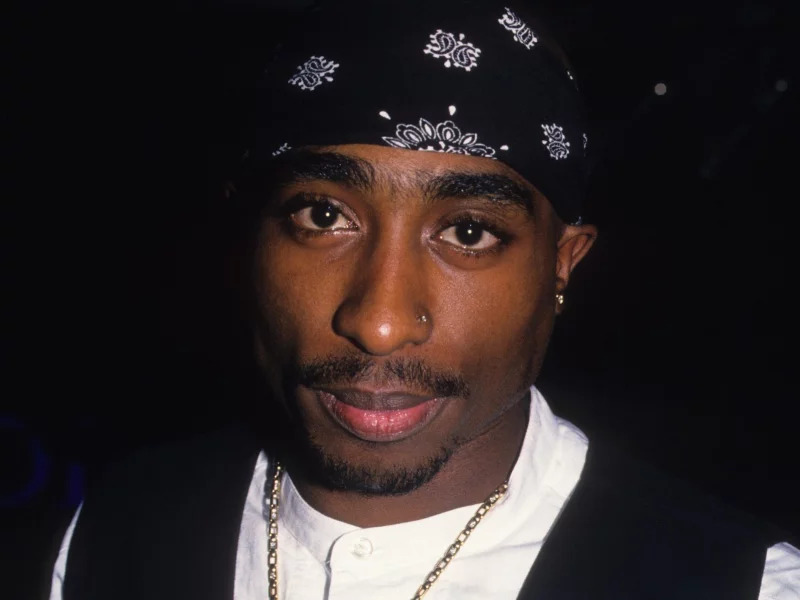
Unlike many artists, Tupac wielded influence beyond entertainment; he mobilized communities, sparked social dialogue, and maintained a compelling presence that commanded both respect and fear. Examining his life through the lens of The 48 Laws of Power uncovers the deliberate and instinctive ways in which he navigated fame, conflict, and legacy.
Law 6: Court Attention at All Costs
Tupac understood the importance of visibility in cultivating influence. His music, interviews, and public appearances ensured that he remained at the center of cultural conversation. Controversies—such as legal battles or feuds with other artists—were magnified by media attention, but Tupac skillfully transformed them into platforms for expressing his vision.
Greene emphasizes that attention is a fundamental form of power. Tupac’s ability to dominate the public consciousness, even amidst chaos, reinforced his authority in hip-hop and beyond.
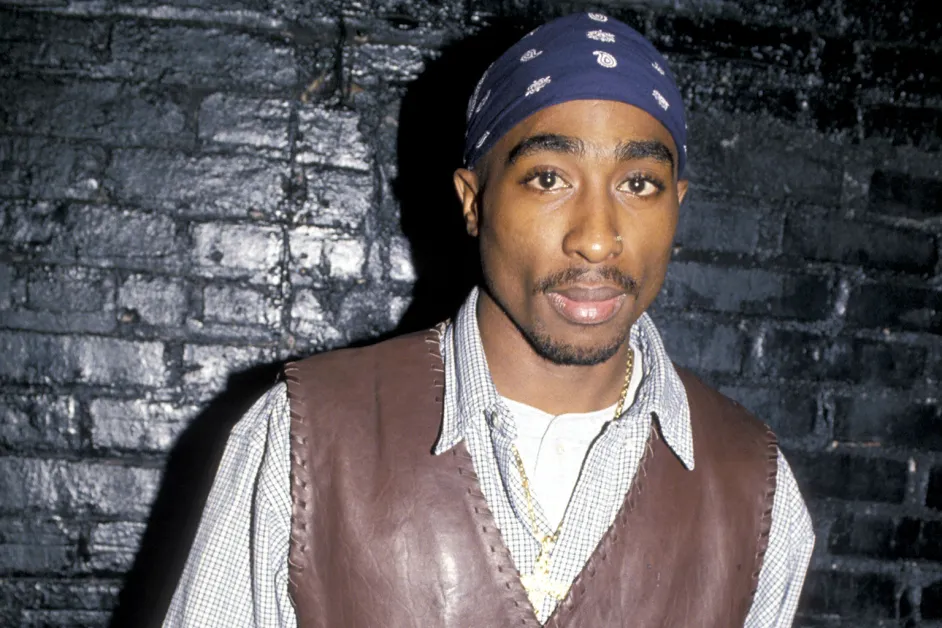
Law 5: So Much Depends on Reputation Guard It with Your Life
Tupac’s reputation as both a revolutionary and a fearless figure amplified his impact. Whether addressing social injustice in songs like Changes or embodying street credibility in confrontational contexts, his persona demanded respect.
Greene notes that reputation is both shield and weapon. Tupac’s carefully crafted image protected him from rivals and critics while simultaneously empowering him to influence fans, fellow artists, and communities.
Law 28: Enter Action with Boldness
Boldness defined Tupac’s career choices and personal expression. His lyrics often tackled controversial topics, including systemic racism, police brutality, and social inequality. Musically and publicly, he acted decisively—launching albums, confronting adversaries, and using his platform to make statements that many feared to voice.
According to Greene, bold action signals confidence and deters hesitation in others. Tupac’s fearlessness established him as a commanding cultural figure, compelling both audiences and rivals to take notice.
Law 15: Crush Your Enemy Totally
Tupac’s feuds with rival artists, particularly the East Coast–West Coast conflict, demonstrate his instinct for decisive action. While personal and cultural rivalries were complex, Tupac’s approach to competition in both music and reputation emphasized dominance, ensuring his influence was unmistakable.
Greene’s principle warns that leaving adversaries partially defeated allows them to regroup. Tupac’s assertive responses to criticism and opposition exemplify this law’s logic in the social and artistic arenas.
Law 34: Be Royal in Your Own Fashion
Tupac cultivated an aura of authority and individuality. His style, lyrical mastery, and unapologetic authenticity projected a unique persona that demanded recognition. Greene asserts that projecting regal authority, even unconventionally, enforces respect. Tupac’s charisma and self-possession elevated him beyond performer to cultural icon and thought leader.
Law 3: Conceal Your Intentions
Despite his openness in music, Tupac often maintained strategic ambiguity in negotiations, personal alliances, and feuds. He rarely revealed his full plans, allowing him to maneuver effectively within the music industry and the street-level networks he navigated.
Greene emphasizes that concealment creates advantage. Tupac’s ability to keep rivals uncertain helped him retain both cultural and social leverage.
Law 25: Re-Create Yourself
Tupac’s constant reinvention was central to his influence. From socially conscious rapper to outspoken provocateur, and from actor to activist, he continuously redefined his identity to remain relevant and compelling.
Greene notes that reinvention prevents stagnation. Tupac’s adaptability allowed him to appeal to diverse audiences, sustain attention, and influence multiple spheres—artistic, social, and political.
Law 11: Learn to Keep People Dependent on You
Tupac cultivated loyalty through authenticity, mentorship, and shared vision. Fellow artists, fans, and community members relied on his voice to articulate struggles and aspirations they felt powerless to express. Greene emphasizes that dependency consolidates power. Tupac’s centrality in hip-hop and social commentary made him indispensable to cultural movements and fan communities.
Law 42: Strike the Shepherd and the Sheep Will Scatter
In conflicts, Tupac often targeted influential figures rather than peripheral actors. By addressing central rivals, whether in music or social disputes, he destabilized opposition and asserted dominance. Greene highlights this law as critical in dismantling resistance efficiently. Tupac’s strategic focus on central figures amplified his effectiveness in both symbolic and practical terms.
Law 47: Do Not Go Past the Mark You Aimed For
While ambitious, Tupac often calculated his moves to maximize impact without overextending. He balanced confrontation with collaboration, activism with artistry, and visibility with creative control. Greene warns that unchecked ambition can erode power; Tupac’s strategic moderation allowed his influence to persist despite high-risk choices.
The Mechanics of Power in Tupac’s Context
Tupac’s mastery of power operated at the intersection of art, culture, and personal influence. He leveraged visibility, cultivated loyalty, and manipulated perception to dominate discourse. Unlike leaders in formal institutions, his authority relied on reputation, creativity, and symbolic action. Greene’s laws manifest in Tupac’s deliberate cultivation of attention, assertive engagement with rivals, and the careful orchestration of narrative around his persona.
His artistry, though often interpreted emotionally, functioned strategically: each album, performance, or interview reinforced his centrality in cultural power structures. Tupac’s life demonstrates that influence is multidimensional, extending from symbolic representation to tangible control of social networks and public discourse.
Viewed through the framework of The 48 Laws of Power, Tupac Shakur emerges as a master of modern cultural strategy. He courted attention, commanded respect, centralized influence, and continually reinvented himself, blending artistry with strategic insight.
Tupac’s ability to navigate fame, conflict, and social influence illustrates that power operates not only through formal authority but through perception, reputation, and narrative mastery. His enduring legacy underscores that strategic application of Greene’s principles can manifest in art, activism, and cultural leadership, leaving a profound impact on both contemporaries and future generations.
