
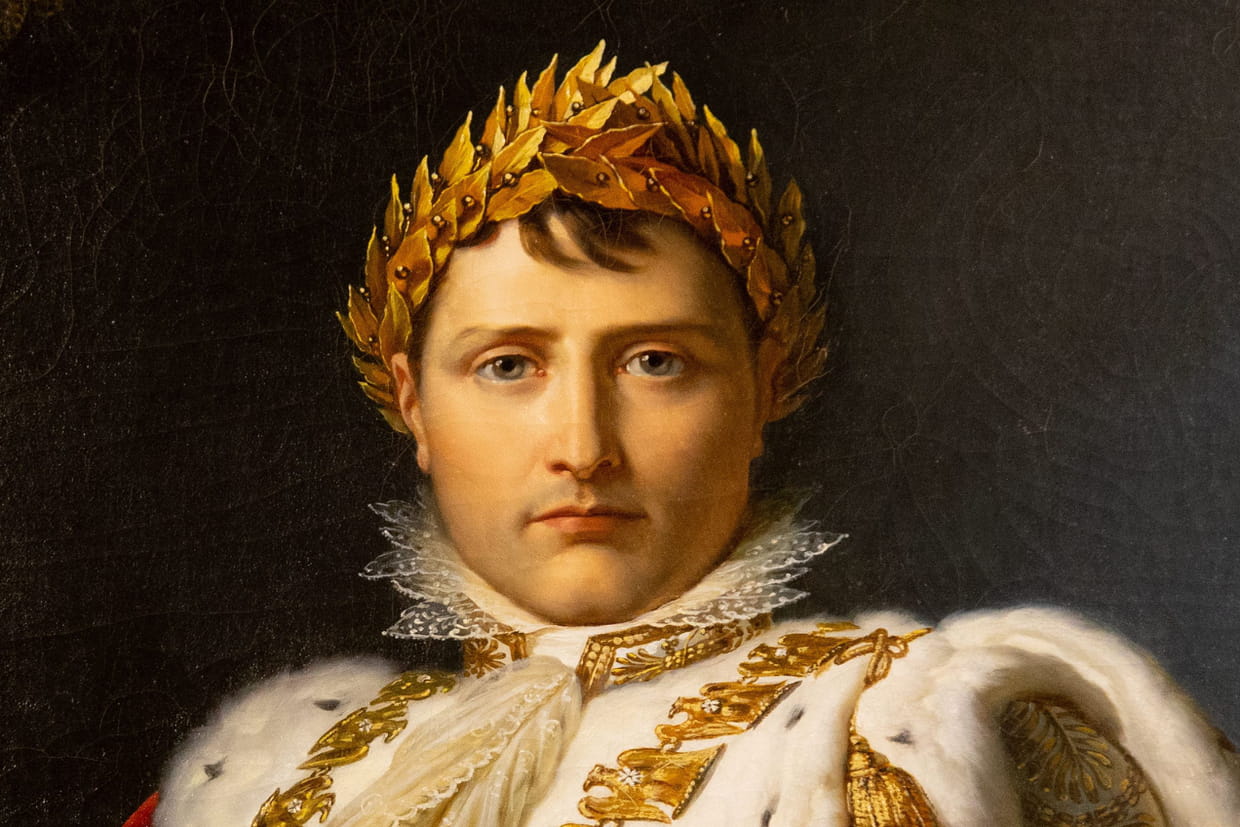
Napoleon Bonaparte and The 48 Laws of Power: A Strategic Analysis of Ambition, Authority, and Empire
Few historical figures embody the principles of The 48 Laws of Power as vividly as Napoleon Bonaparte. Although Napoleon lived more than a century before Robert Greene systematized power into 48 concise laws, his rise and fall reads almost like a case study written in advance for the book. From an obscure Corsican artillery officer to Emperor of the French, Napoleon mastered perception, strategy, fear, loyalty, and mythmaking core themes that define The 48 Laws of Power.
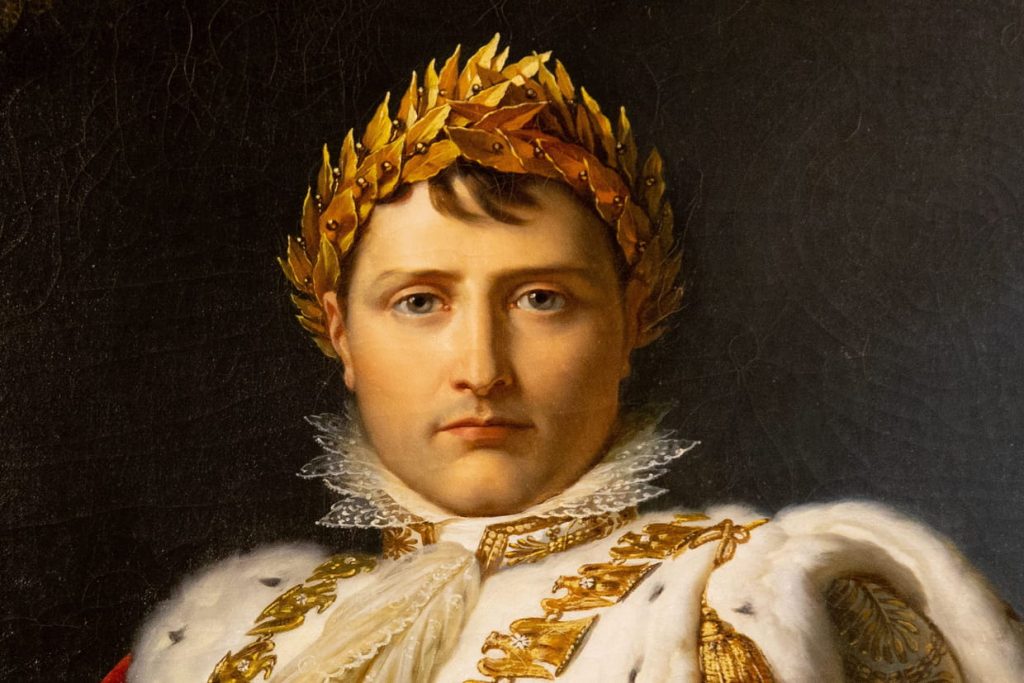
This article examines how Napoleon applied key laws of power in practice, not merely as theory, and how his successes and ultimate defeat—reflect the double-edged nature of power itself.
Law 3: Conceal Your Intentions
Napoleon rarely revealed his true strategic objectives. During the Italian Campaign (1796–1797), he misled Austrian forces by creating confusion about his movements, shifting troops rapidly, and attacking unexpectedly. His enemies often prepared for one maneuver while he executed another.
This reflects Greene’s principle that by keeping others in the dark, you control the pace and direction of conflict. Napoleon’s operational secrecy made smaller French forces appear omnipresent and unpredictable. His enemies were reacting; he was orchestrating.
Law 6: Court Attention at All Costs
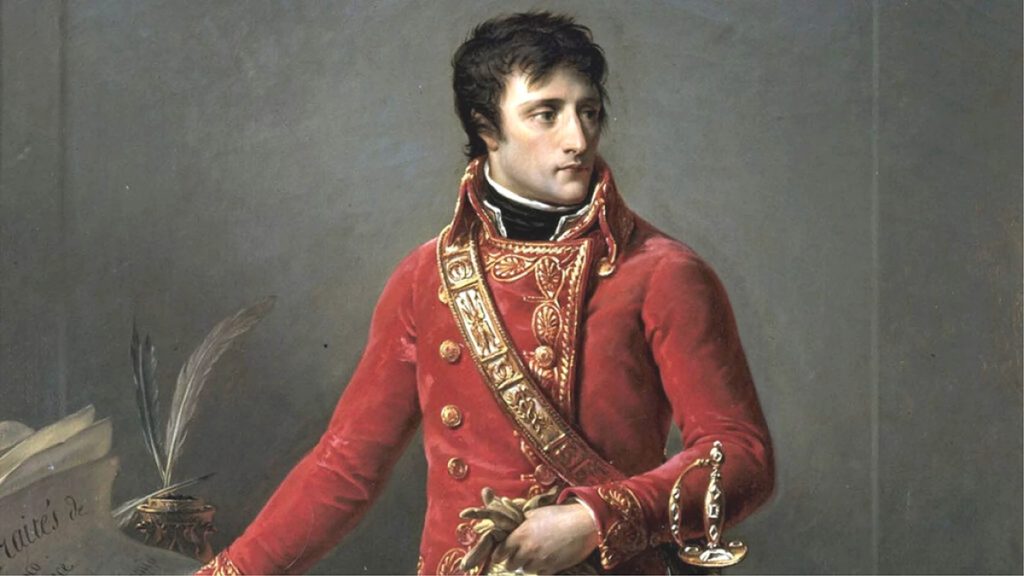
Napoleon understood the power of image long before modern media strategy existed. He cultivated his public persona deliberately. Official bulletins from the battlefield exaggerated victories and minimized losses. Portraits painted by artists such as Jacques-Louis David depicted him as calm, heroic, and almost divine—most famously in Napoleon Crossing the Alps.
By shaping public perception, Napoleon ensured that he was not merely a general but a symbol of French glory. Greene emphasizes that visibility creates influence; obscurity breeds irrelevance. Napoleon’s constant presence in newspapers, art, and propaganda elevated him from military commander to national legend.
Law 11: Learn to Keep People Dependent on You
Power consolidates when others rely on you for stability. After the chaos of the French Revolution, France craved order. Napoleon positioned himself as the indispensable savior of the nation.
He introduced the Napoleonic Code, restructured education, centralized administration, and stabilized the economy through the Bank of France. These reforms created institutional dependence. France’s bureaucracy, military, and legal system functioned under structures he designed.
By making himself the anchor of national stability, Napoleon ensured that removing him meant risking chaos—a classic execution of Greene’s Law 11.
Law 15: Crush Your Enemy Totally
Napoleon’s military doctrine often followed this law ruthlessly. At the Battle of Austerlitz (1805), he did not merely defeat the combined Russian and Austrian forces; he shattered their coalition’s morale and political standing. The victory dissolved the Holy Roman Empire and redefined European power dynamics.
Greene argues that partial victories breed revenge. Napoleon believed in decisive annihilation of opposition forces to prevent resurgence. However, his later campaigns—particularly in Spain and Russia—show what happens when total victory becomes impossible. The enemy survives, resentment grows, and overextension begins.
Law 17: Keep Others in Suspended Terror
Napoleon’s unpredictability created psychological dominance. His speed of movement across Europe was unprecedented. Armies never knew where he would strike next. This uncertainty destabilized alliances against him.
Greene describes fear and unpredictability as tools of control. Napoleon’s reputation alone often weakened opponents before battles began. The myth of his invincibility became as powerful as his cannons.
Law 18: Do Not Build Fortresses to Protect Yourself Isolation Is Dangerous
Ironically, Napoleon both mastered and violated this law. Early in his career, he maintained close relationships with soldiers, often eating with them and addressing them personally. This fostered loyalty.
But as Emperor, he grew increasingly isolated within imperial grandeur. Critical voices diminished. The disastrous invasion of Russia in 1812 illustrates this shift. Surrounded by loyalists unwilling to challenge him, Napoleon miscalculated logistics, weather, and resistance.
Greene warns that isolation cuts leaders off from reality. Napoleon’s downfall accelerated once he stopped listening to dissenting perspectives.
Law 24: Play the Perfect Courtier
Napoleon navigated revolutionary politics with exceptional skill. During the Directory period, he aligned himself with influential political figures without appearing submissive. He maintained strategic humility when necessary, then struck decisively during the Coup of 18 Brumaire (1799), effectively seizing control of France.
His ability to balance charm, ambition, and calculated restraint mirrors Greene’s description of the courtier who thrives within volatile power structures without exposing his true ambitions too soon.
Law 28: Enter Action with Boldness
Few leaders embodied boldness like Napoleon. Crossing the Alps to surprise Austrian forces was a gamble that paid off spectacularly. Bold moves, Greene explains, intimidate rivals and inspire followers. Hesitation breeds doubt; audacity commands respect.
Napoleon’s decisiveness became central to his brand. Even when risks were enormous, he projected confidence. His soldiers believed in his destiny because he believed in it first.
Law 34: Be Royal in Your Own Fashion Act Like a King to Be Treated Like One
Napoleon crowned himself Emperor in 1804 in the presence of Pope Pius VII. Rather than allowing the Pope to crown him, he placed the crown upon his own head. The symbolism was unmistakable: his authority derived not from tradition but from himself.
Greene emphasizes that people treat you according to the image you project. Napoleon crafted imperial rituals, court ceremonies, and titles that reinforced his supremacy. By performing royalty convincingly, he transformed revolutionary France into an empire under his command.
Law 42: Strike the Shepherd and the Sheep Will Scatter
Napoleon often targeted the central leadership of opposing coalitions. By defeating key armies or capturing strategic capitals, he destabilized entire alliances. His campaigns focused less on prolonged attrition and more on decisive blows to leadership structures.
However, guerrilla resistance in Spain revealed the limitation of this law when leadership is decentralized. Without a single “shepherd,” resistance persisted.
Law 47: Do Not Go Past the Mark You Aimed For
Perhaps Napoleon’s greatest failure lies here. After dominating continental Europe, he sought to cripple Britain economically through the Continental System. The ambition expanded his conflicts and dragged France into costly wars.
The invasion of Russia marked the ultimate overreach. Instead of consolidating power, he extended it beyond sustainable limits. Greene warns that victory can breed arrogance. Knowing when to stop is as vital as knowing when to advance. Napoleon did not stop—and his empire collapsed soon after.
A Living Blueprint of Power
Napoleon Bonaparte’s career serves as a historical embodiment of The 48 Laws of Power. His meteoric rise demonstrates the effectiveness of controlling perception, maintaining boldness, fostering dependence, and acting decisively. His fall illustrates the danger of overreach, isolation, and unchecked ambition.
Power, as Greene argues, is neither moral nor immoral—it is strategic. Napoleon understood this instinctively. He shaped narratives, manipulated alliances, inspired loyalty, and crushed opposition. Yet he also proved that power is fragile when expansion overrides calculation.
In the final analysis, Napoleon did not merely practice several of the 48 laws—he lived them. His life remains one of history’s most compelling demonstrations of how power is gained, exercised, and ultimately lost.
