
How Travis Scott Uses the 48 Laws of Power: A Strategic Analysis
Travis Scott has emerged as one of the most influential figures in modern hip-hop and popular culture. Beyond his musical talent, his career demonstrates mastery of perception, timing, audience psychology, and strategic alliances—core principles reflected in The 48 Laws of Power by Robert Greene. Travis Scott’s approach illustrates how an artist can wield power in an industry defined by competition, volatility, and rapid audience shifts.
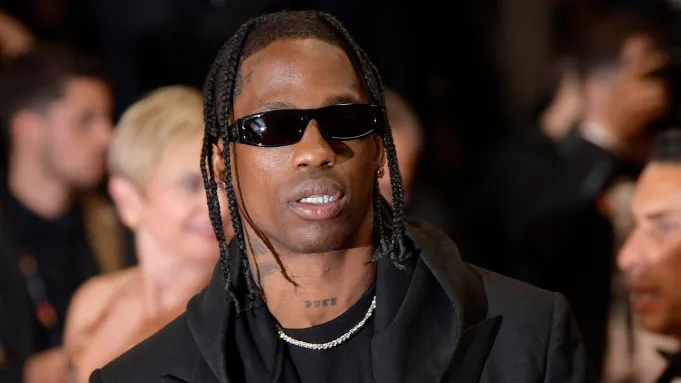
This article explores the psychological and strategic tactics Travis Scott employs to maintain influence, cultural dominance, and long-term relevance, showing how Greene’s laws manifest in contemporary entertainment.
1. Law 1 – Never Outshine the Master: Early Mentorship and Strategic Alliances
Travis Scott’s early association with Kanye West exemplifies careful respect for hierarchy. By aligning with an established figure, he gained mentorship, industry credibility, and guidance on both artistry and branding.
Greene emphasizes that appearing too ambitious or superior too soon can provoke envy. Travis’s early deference and learning period allowed him to absorb knowledge, refine his craft, and prepare for independent influence without antagonizing industry gatekeepers.

2. Law 6 – Court Attention at All Costs: Building Cultural Hype
Travis Scott’s career is built around creating high-impact moments. From surprise album announcements to monumental collaborations with Nike and Fortnite, he ensures constant visibility while maintaining an air of excitement.
Greene’s principle stresses that attention is power. Each project or public appearance is timed and designed to dominate conversation, turning releases into cultural events rather than routine outputs.
3. Law 3 – Conceal Your Intentions: Strategic Ambiguity
Scott frequently maintains an aura of mystery around creative projects. Album concepts, merchandise drops, and tour announcements are often teased cryptically.
Greene advises that concealing plans preserves control over outcomes. By withholding full details, Travis generates anticipation and discussion while maintaining the ability to adjust strategies based on audience reaction or market conditions.
4. Law 15 – Crush Your Enemy Totally: Dominance Through Cultural Innovation
Rather than engaging in overt public feuds, Travis asserts dominance through innovation. His Astroworld brand, festival experiences, and genre-blending music redefine audience expectations, creating a standard competitors must follow.
Greene suggests that partial victories allow rivals to retaliate. Travis’s approach—dominating through creativity, spectacle, and trend-setting—minimizes direct confrontation while ensuring lasting authority.
5. Law 34 – Be Royal in Your Own Fashion: Persona as Authority
Travis Scott cultivates a distinct persona combining creativity, unpredictability, and elite cultural status. His branding—through visuals, merchandise, and performances—establishes him as a cultural sovereign.
Greene emphasizes the importance of projecting confidence and uniqueness. Travis’s carefully curated public image reinforces authority, positioning him not just as an entertainer but as a tastemaker influencing fashion, music, and lifestyle.
6. Law 27 – Play on People’s Need to Believe: Cultivating a Devoted Following
Astroworld and other projects are designed as immersive experiences that foster emotional and cultural engagement. Fans become highly invested, not just in the music but in the narrative and identity Travis creates.
Greene highlights the power of belief. By crafting culturally resonant symbols, immersive storytelling, and community-driven experiences, Travis converts casual audiences into dedicated advocates who amplify his influence organically.
7. Law 33 – Discover Each Man’s Thumbscrew: Understanding Audience Psychology
Travis demonstrates an acute awareness of audience expectations. He leverages emotion, nostalgia, and aspirational imagery to generate loyalty and anticipation. From energetic festival performances to social media teasers, he engages psychological triggers that drive engagement.
Greene emphasizes exploiting knowledge of human motivations. Travis uses storytelling, spectacle, and exclusivity to deepen fan loyalty and maintain influence, turning perception into a strategic asset.
8. Law 6 & 29 – Master Timing and Strategic Pauses
Travis Scott carefully times releases, tour announcements, and collaborations. Limited appearances and strategically spaced content create anticipation, making each event culturally significant.
Greene underscores that timing magnifies power. By spacing projects and controlling public exposure, Travis ensures that every action achieves maximum impact.
9. Law 40 – Despise the Free Lunch: Creative Autonomy and Ownership
Travis Scott maintains significant control over his creative direction, brand partnerships, and merchandise. Independent decision-making ensures that he retains influence over both revenue and image.
Greene warns that reliance on others diminishes power. Travis’s control over creative and business decisions—evident in collaborations with major brands and festival curation—ensures autonomy and strategic leverage.
10. Law 28 – Enter Action with Boldness
Travis’s performances, visuals, and brand partnerships demonstrate audacity. From the Astroworld festival concept to high-profile collaborations, he consistently executes bold strategies that command attention.
Greene asserts that bold action projects confidence and deters doubt. Travis Scott’s willingness to take creative and commercial risks reinforces his authority and cultural influence.
11. Law 48 – Assume Formlessness: Adaptability in Style and Branding
Travis Scott adapts musically and culturally to maintain relevance without compromising authenticity. His experimentation with trap, psychedelic soundscapes, and mainstream collaborations demonstrates flexibility that Greene terms formlessness.
Adaptability allows Travis to navigate shifting trends, audience expectations, and industry pressures while preserving his authority, making him resilient in a highly competitive landscape.
Travis Scott as a Modern Power Architect
Travis Scott exemplifies the strategic application of The 48 Laws of Power in contemporary entertainment. Through controlled visibility, narrative management, psychological engagement, alliance-building, and autonomous brand control, he consolidates influence and sustains cultural dominance.
Analyzed through Greene’s framework, Travis’s career shows that power in the music industry is as much about perception, timing, and strategy as it is about talent. Each move—from mentorship alignment and creative secrecy to bold public projects and audience manipulation—reflects careful application of strategic principles.
Travis Scott’s trajectory proves that influence in modern entertainment is deliberate and constructed. Mastery of psychological and cultural tactics ensures longevity, authority, and relevance in a competitive industry where attention and perception define success.
