
How J. Cole Uses the 48 Laws of Power: A Strategic Analysis
J. Cole has consistently established himself as one of the most influential figures in contemporary hip-hop. Beyond his lyrical prowess and storytelling, J. Cole demonstrates a nuanced understanding of perception, influence, and strategic positioning—hallmarks of enduring power. His career provides an instructive lens for examining the practical application of The 48 Laws of Power by Robert Greene in the modern music industry.
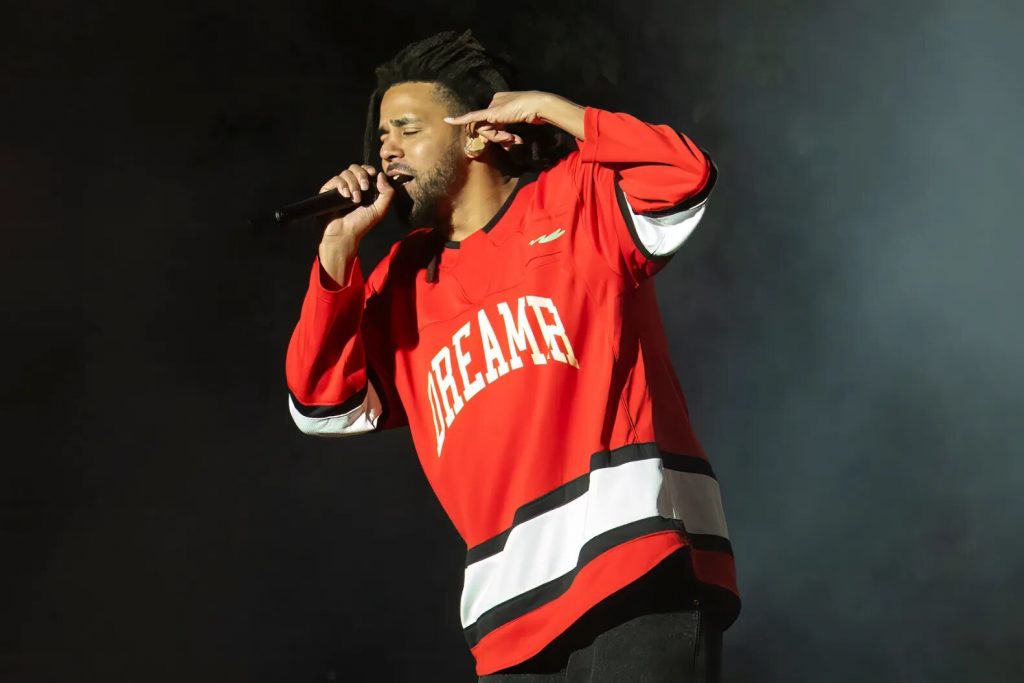
Unlike artists who rely solely on hype, J. Cole builds authority through deliberate control of narrative, timing, and alliances. This article explores the specific ways in which he leverages psychological and strategic power tactics to maintain relevance, influence, and cultural dominance.
1. Law 1 – Never Outshine the Master: Early Career Mentorship
J. Cole’s early affiliation with Jay-Z exemplifies careful respect for hierarchy. Rather than immediately positioning himself as a rival to established figures, he sought mentorship and association. Signing to Roc Nation gave him access to resources, credibility, and industry insight.
Greene emphasizes that appearing too ambitious too early can provoke envy and opposition. By deferring to the guidance of his mentors while demonstrating talent, J. Cole navigated early power dynamics effectively, laying the groundwork for independent authority.
2. Law 6 – Court Attention at All Costs: Controlled Visibility
J. Cole rarely relies on social media theatrics to maintain relevance. Instead, he creates moments of cultural significance through strategic releases and performances. Albums such as 2014 Forest Hills Drive, KOD, and The Off-Season became events rather than routine outputs.
Greene highlights that attention is the ultimate currency of power. J. Cole’s careful timing ensures that each project dominates conversation, proving that visibility, when orchestrated with strategy, compounds influence.
3. Law 3 – Conceal Your Intentions: Maintaining Mystique
J. Cole often keeps his creative process and personal decisions private. Whether withholding album details or limiting commentary on industry matters, he generates intrigue.
Greene emphasizes the advantage of secrecy: by concealing intentions, one retains control over perception and outcome. This deliberate ambiguity makes each J. Cole release or statement a focal point for media analysis and fan speculation, extending cultural impact.
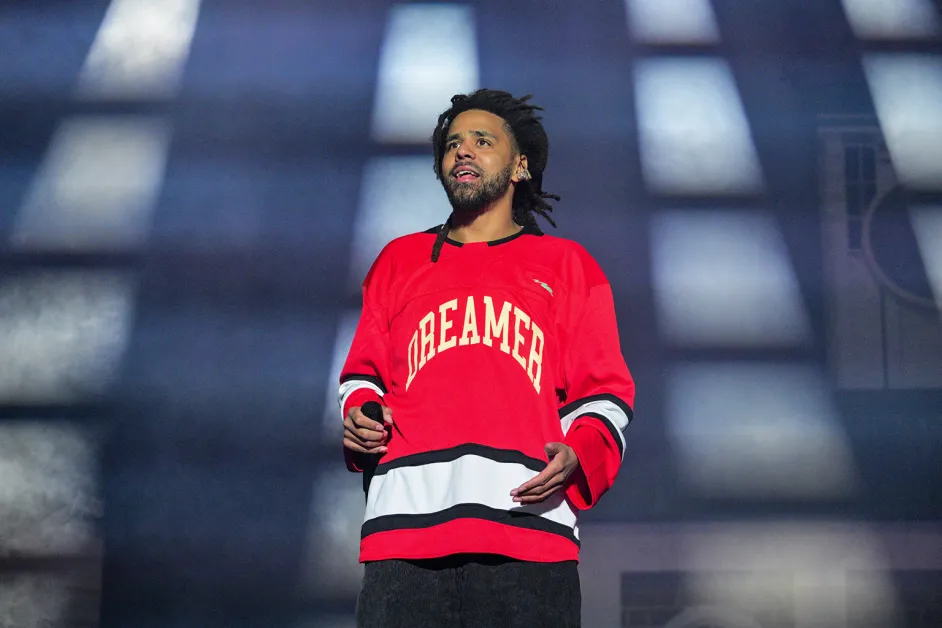
4. Law 15 – Crush Your Enemy Totally: Excellence as Domination
J. Cole demonstrates dominance not through confrontation but through artistic excellence. Each project sets new standards in storytelling, lyrical depth, and cultural commentary.
Greene’s law underscores that partial victories leave enemies capable of retaliation. By consistently delivering critically acclaimed work, J. Cole minimizes the need for public feuds, asserting superiority through performance rather than personal conflict.
5. Law 34 – Be Royal in Your Own Fashion: Personal Branding and Authority
J. Cole cultivates an image of authenticity, intelligence, and independence. From his stage presence to interviews and public statements, he projects authority without overt showmanship.
Greene emphasizes that projecting confidence and distinctiveness commands respect. J. Cole’s careful curation of persona reinforces his status as an artist whose influence extends beyond music to social and cultural commentary.
6. Law 27 – Play on People’s Need to Believe: Building Devoted Followings
J. Cole often integrates social, political, and personal narratives into his music, creating profound resonance with listeners. Albums like 4 Your Eyez Only and KOD address systemic issues, personal reflection, and cultural identity, generating loyalty beyond the casual fanbase.
Greene notes that tapping into belief and aspiration fosters devotion. J. Cole transforms audiences into advocates who internalize his vision, amplifying influence and reinforcing cultural authority.
7. Law 33 – Discover Each Man’s Thumbscrew: Understanding Audience Psychology
J. Cole’s music and public engagement reflect careful attention to audience psychology. He anticipates emotional triggers, social concerns, and cultural shifts, tailoring releases to resonate widely.
Greene emphasizes leveraging knowledge of human motivation. J. Cole’s storytelling strategy appeals to shared experiences, aspirations, and frustrations, creating a sense of connection that strengthens both loyalty and influence.
8. Law 6 & 29 – Master Timing and Strategic Pauses
J. Cole demonstrates patience in release schedules, spacing projects to create anticipation. Strategic pauses heighten demand, while surprise collaborations and announcements maximize cultural impact.
Timing is central to power, as Greene notes. J. Cole’s method ensures that each project is met with concentrated attention, reinforcing his presence and sustaining relevance in a crowded marketplace.
9. Law 40 – Despise the Free Lunch: Maintaining Creative Independence
J. Cole retains significant control over his music, production, and collaborations. Avoiding overreliance on external validation or short-term opportunistic partnerships ensures long-term authority.
Greene warns that dependence erodes power. J. Cole’s careful curation of collaborators and independent business decisions—such as his Dreamville label—secure autonomy and strategic leverage.
10. Law 28 – Enter Action with Boldness
Bold artistic decisions characterize J. Cole’s career. Concept albums, socially charged lyrics, and unconventional storytelling demonstrate confidence in vision and execution.
Greene asserts that audacity conveys power and discourages doubt. J. Cole’s bold approach solidifies his role as a cultural innovator and influential figure, reinforcing authority through action rather than rhetoric.
11. Law 48 – Assume Formlessness: Adaptability and Evolution
J. Cole’s ability to navigate stylistic diversity—from introspective tracks to high-energy collaborations—illustrates formlessness. He evolves with audience expectations and industry shifts without appearing inconsistent or opportunistic.
Adaptability ensures relevance in an unpredictable environment. Greene’s principle of formlessness allows J. Cole to respond to trends, socio-cultural shifts, and audience demands without compromising control or authority.
J. Cole as a Master of Modern Power Dynamics
J. Cole exemplifies the conscious and unconscious application of power principles in contemporary music. Through strategic alliances, controlled visibility, audience psychology, and disciplined innovation, he demonstrates how influence is constructed and maintained.
Analyzed through The 48 Laws of Power, his career is a blueprint for authority in entertainment. Each move—from mentorship alignment and creative secrecy to timing, storytelling, and autonomous control—reflects deliberate strategy.
J. Cole’s trajectory proves that in a highly competitive and visible industry, talent alone is insufficient. Long-term success depends on mastery of perception, relationships, timing, and adaptability. His career shows that power in entertainment is a psychological architecture, constructed, curated, and continuously reinforced to achieve cultural dominance.
