
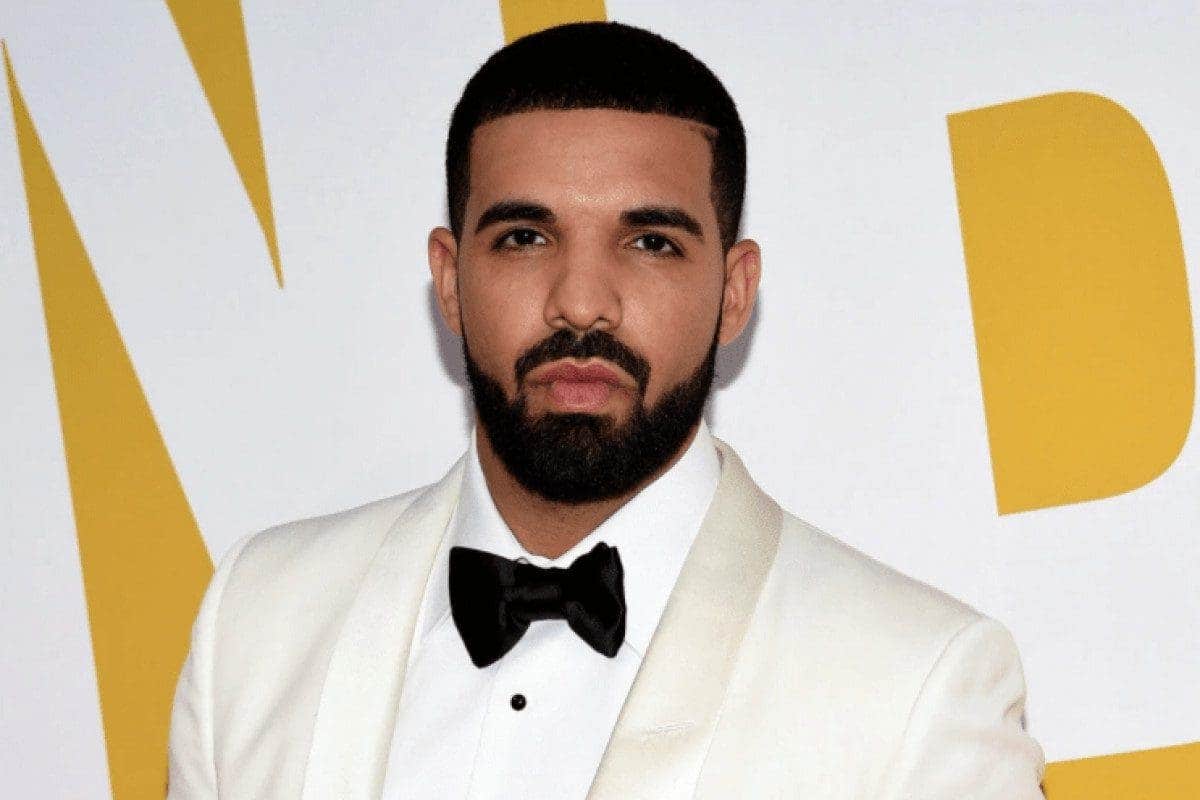
How Drake Uses The 48 Laws of Power to Dominate the Music Industry
In modern hip-hop, few artists have maintained dominance as consistently as Drake. From chart records to cultural influence, Drake has remained relevant for more than a decade in an industry known for short life cycles. While talent plays a role, strategy has been equally important. When viewed through the lens of The 48 Laws of Power by Robert Greene, Drake’s career reveals calculated moves that reflect timeless principles of power, influence, and survival.
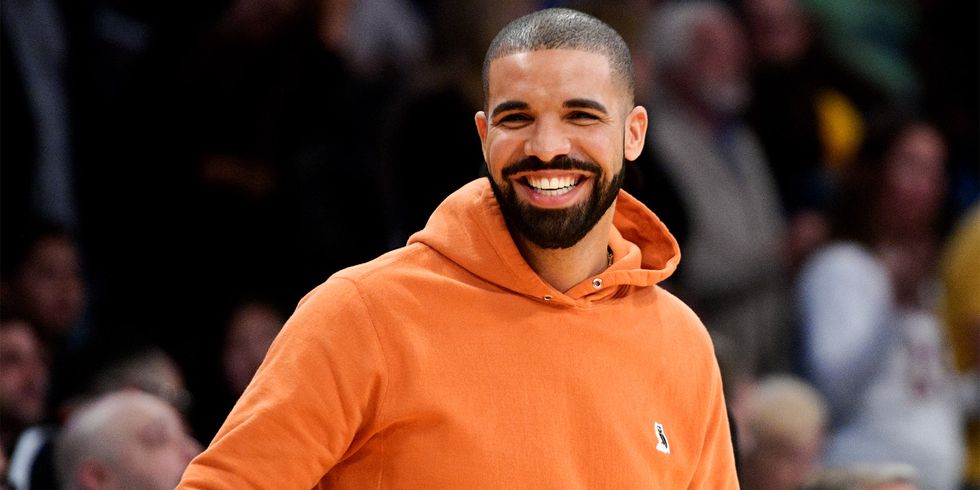
This article analyzes how Drake appears to apply several of these laws in his music career, branding, rivalries, and business decisions.
Law 6: Court Attention at All Costs
One of the core principles in The 48 Laws of Power is that visibility equals power. Drake has mastered attention economics.
From surprise album drops to strategic diss tracks, he consistently ensures that the spotlight remains on him. Whether through high-profile collaborations, cryptic Instagram captions, or publicized rivalries, Drake keeps himself culturally relevant. Even controversy works in his favor—because in the digital age, silence often equals irrelevance.
For example, during rap beef moments, instead of avoiding confrontation, he often leans into the narrative. Attention, whether positive or negative, sustains authority in entertainment.
Law 3: Conceal Your Intentions
Drake rarely reveals his long-term plans publicly. Album rollouts are often mysterious, and collaborations are sometimes unexpected.
He shifts musical styles—dancehall, UK drill, Afrobeat, melodic rap—without fully announcing strategic transitions. This unpredictability prevents competitors from anticipating his moves. By keeping intentions concealed, he maintains leverage.
In business, this also applies to partnerships and investments. Drake’s brand expansions often emerge suddenly, reinforcing the principle of strategic secrecy.
Law 5: So Much Depends on Reputation Guard It With Your Life
Reputation is currency in hip-hop. Drake carefully curates his image: emotionally expressive yet dominant, relatable yet elite.
Even when criticized, he responds selectively. He doesn’t address every accusation. Instead, he reinforces success metrics—streaming numbers, sold-out tours, and industry awards. By shifting focus to measurable dominance, he strengthens reputation rather than defending against every narrative.
Reputation management also appears in how he collaborates. Associating with trending artists allows him to stay culturally aligned with the new generation while maintaining veteran status.
Law 15: Crush Your Enemy Totally
When Drake engages in lyrical warfare, he rarely takes half-measures. Diss tracks are calculated, direct, and strategically timed.
Rap beef is not only about music—it’s about psychological dominance. By releasing tracks that trend instantly, he controls the narrative cycle. The goal is not merely to respond, but to overwhelm.
This reflects Greene’s idea that leaving enemies partially standing creates future threats. In competitive industries, dominance must be decisive.
Law 34: Be Royal in Your Own Fashion Act Like a King to Be Treated Like One
Drake’s branding exudes confidence and exclusivity. From luxury aesthetics to arena tours, he positions himself as hip-hop royalty.
He rarely presents himself as chasing validation. Instead, he acts from a position of assumed authority. This perception shapes public reaction. Audiences often mirror the confidence projected by a figure.
His OVO (October’s Very Own) brand further strengthens this law. By creating a lifestyle identity rather than just music releases, he extends his “royal court” beyond songs into fashion and culture.
Law 29: Plan All the Way to the End
Drake’s longevity suggests strategic foresight. Unlike many artists who peak quickly, he evolved with streaming culture.
Early in the streaming era, he embraced playlist-friendly music. He releases projects with high track counts, maximizing streaming metrics. This aligns with long-term planning rather than short-term artistic purity debates.
He also diversifies revenue streams—tours, fashion, endorsements—reducing reliance on one source of power.
Longevity itself becomes power.
Law 11: Learn to Keep People Dependent on You
Drake frequently collaborates with emerging artists. While this helps newcomers gain exposure, it also reinforces his role as a gatekeeper figure.
Artists benefit from the “Drake stimulus,” but his co-sign strengthens his network influence. By embedding himself across subgenres and scenes, he becomes difficult to replace.
Dependency in modern music can mean streaming boosts, audience crossover, and credibility.
Law 16: Use Absence to Increase Respect and Honor
Interestingly, Drake sometimes withdraws strategically.
After intense public cycles, he reduces visibility. These breaks increase anticipation. Scarcity fuels demand—whether for albums, interviews, or appearances.
When he returns, engagement spikes. In a saturated content era, absence can be more powerful than constant exposure.
Law 38: Think as You Like but Behave Like Others
Drake adapts to trends while subtly influencing them.
He incorporates global sounds without abandoning mainstream appeal. By blending into emerging waves rather than resisting them, he avoids appearing outdated.
At the same time, he maintains his core emotional style. This balance allows him to innovate without isolating audiences.
Law 48: Assume Formlessness
Perhaps Drake’s strongest alignment with The 48 Laws of Power is adaptability.
He has transformed from:
- Emotional rap underdog
- Club hitmaker
- Global pop collaborator
- Streaming-era algorithm strategist
Formlessness allows survival. Instead of rigid identity, Drake evolves with cultural shifts.
This flexibility protects him from becoming obsolete.
The Psychological Dimension
Power in entertainment is not just about numbers; it is about perception.
Drake understands narrative cycles:
- Control the conversation
- Shift public focus
- Redefine success metrics
- Reinforce dominance visually and statistically
Streaming records, chart placements, and viral moments are tools of influence. Each reinforces the perception of inevitability.
In power theory, inevitability is authority.
Criticism and Strategic Resilience
No powerful figure avoids criticism. Drake has faced backlash over authenticity debates, ghostwriting allegations, and cultural appropriation discussions.
However, his response strategy often aligns with Greene’s advice: never overreact emotionally. Instead of prolonged public defense, he counters through productivity—releasing more music and generating more numbers.
Output becomes the argument.
Lessons from Drake’s Power Strategy
- Visibility sustains influence.
- Adaptability prevents decline.
- Reputation must be guarded carefully.
- Strategic silence can be powerful.
- Collaboration builds dependency networks.
- Dominance requires decisive action.
While it would be simplistic to claim that Drake consciously follows every principle from The 48 Laws of Power, his career demonstrates patterns consistent with these laws.
Drake’s dominance is not accidental. Through attention control, reputation management, strategic rivalry, adaptability, and long-term planning, he reflects many principles outlined in The 48 Laws of Power.
In the modern music industry—where trends shift rapidly and audiences are unpredictable—power belongs not only to the most talented, but to the most strategic.
Drake’s career serves as a case study in how cultural influence, psychological positioning, and calculated moves can sustain authority for over a decade.
Whether intentionally inspired by Robert Greene’s philosophy or not, his trajectory illustrates a fundamental truth: in competitive environments, power favors those who understand perception, timing, and control.
And in that arena, Drake remains one of the most effective players of the game.
