
The 48 Laws of Power in Real Life: Celebrity Examples That Reveal How Power Actually Works
The 48 Laws of Power is often seen as a controversial book—admired by some, criticized by others—but one thing is undeniable: its ideas consistently appear in real life. Power is not limited to politics or warfare; it is deeply embedded in entertainment, media, business, and celebrity culture. Celebrities operate in high-competition environments where attention, influence, and survival depend on understanding power dynamics.
When we analyze major celebrities through the conceptual framework of The 48 Laws of Power, we begin to see clear patterns of strategic behavior. These individuals did not rise—or remain relevant—by chance. They understood perception, timing, alliances, and control.
This article explores how real-world celebrities demonstrate the principles behind The 48 Laws of Power through their actions, decisions, and career strategies.
Power in Celebrity Culture: Why Fame Alone Is Not Enough
Fame is temporary. Power is sustainable.
Many celebrities become famous quickly, but only a few convert fame into long-term influence. The difference lies in strategy. Power, as discussed in The 48 Laws of Power, is about positioning—how others see you, how much control you have over your image, and how dependent others are on your presence.
Celebrities who understand this do not just react to events; they shape narratives.
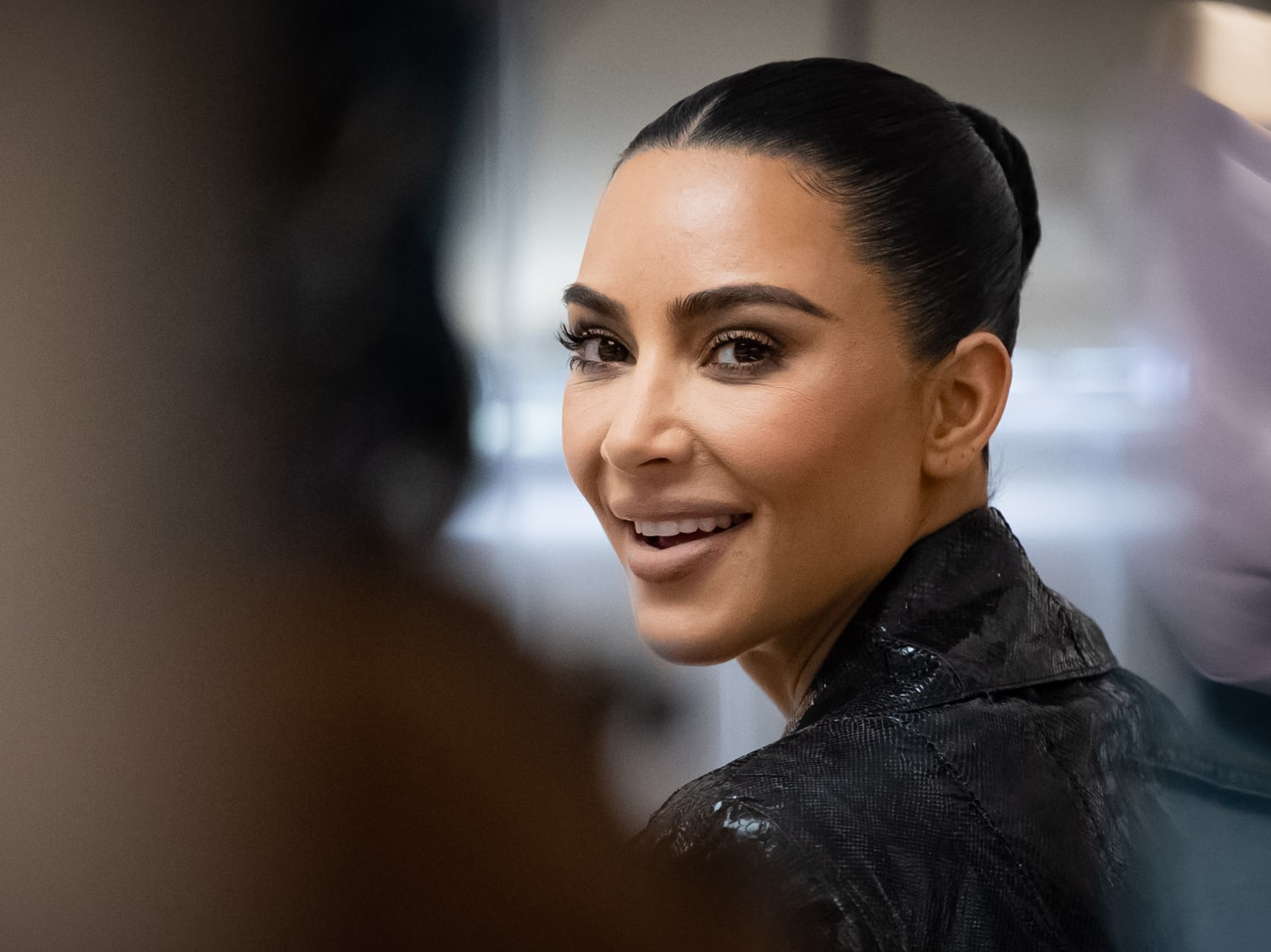
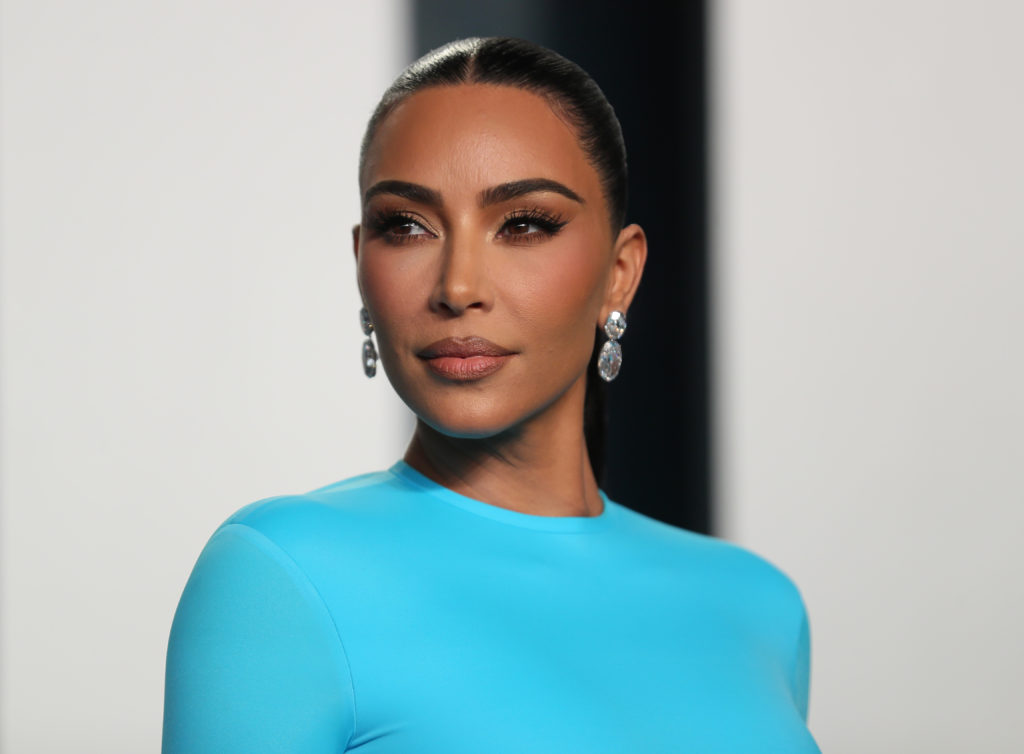
Kim Kardashian: Turning Attention Into Authority
Kim Kardashian is one of the clearest modern examples of applied power strategy. Initially known for reality television, she faced widespread dismissal. Instead of resisting public perception, she worked with it.
Her power moves included:
- Maintaining constant visibility without overexposure
- Turning criticism into conversation
- Reinventing herself across industries (fashion, beauty, law, activism)
Rather than chasing respect, she built influence first. Over time, influence forced recognition. This reflects a core idea behind The 48 Laws of Power: control attention first, and authority will follow.
Beyoncé: Strategic Distance and Controlled Mystery
Beyoncé’s career demonstrates a different power approach—controlled silence. Unlike many celebrities, she shares very little of her private life. This creates distance, mystery, and authority.
Key power strategies she uses:
- Rare interviews to increase perceived value
- Surprise album drops to control timing and conversation
- Minimal public controversy
In power dynamics, scarcity increases value. Beyoncé’s limited access to her personal world strengthens her dominance and positions her above industry noise. She does not chase attention; attention waits for her.
Jay-Z: From Artist to Power Broker
Jay-Z’s evolution from rapper to billionaire entrepreneur is a textbook example of long-term power thinking. He understood early that talent alone does not secure power.
His strategy included:
- Ownership over content and masters
- Strategic partnerships with corporations
- Transition from performer to executive
By moving behind the scenes, Jay-Z increased control and reduced dependence. The 48 Laws of Power emphasizes that real power often operates quietly, away from the spotlight—and Jay-Z embodies this principle.
Taylor Swift: Reclaiming Power Through Narrative Control
Taylor Swift’s public conflicts, particularly around music ownership, reveal how power can be reclaimed through storytelling and audience alignment.
Her power moves included:
- Publicly reframing disputes in her favor
- Mobilizing fan loyalty
- Re-recording her music to regain control
Instead of fighting power privately, she shifted the battlefield to public perception, where she held influence. This demonstrates a key power lesson: when formal power is lacking, social power can be weaponized.
Kanye West: Power Without Control
Kanye West presents an important counter-example. Despite immense talent and influence, his lack of emotional discipline weakened his power position.
Key issues:
- Public emotional outbursts
- Unpredictable behavior
- Burning strategic alliances
The 48 Laws of Power repeatedly warns that emotional reactions expose vulnerability. Kanye’s career shows that power without self-control is unstable and easily lost.
Rihanna: Quiet Domination Through Independence
Rihanna stepped away from music at the height of her fame—not as a retreat, but as a repositioning move. She focused on building businesses that did not rely on traditional celebrity structures.
Her power strategy included:
- Ownership and equity over endorsements
- Inclusive branding that built loyalty
- Minimal public explanation
By letting results speak, Rihanna increased her authority. In power dynamics, explanation weakens position; outcomes strengthen it.
Oprah Winfrey: From Influence to Institutional Power
Oprah’s rise illustrates one of the highest forms of power: institutional control. She transitioned from television host to media owner, producer, and cultural authority.
Her strategy involved:
- Emotional intelligence and trust-building
- Ownership of platforms
- Alignment with social credibility
Oprah did not just influence people—she created systems that influence culture. This aligns with the deepest ideas behind The 48 Laws of Power: ultimate power lies in shaping environments, not just individuals.
Leonardo DiCaprio: Power Through Selectivity
Leonardo DiCaprio’s power lies in refusal. He avoids overexposure, chooses roles carefully, and rarely engages in celebrity culture.
This strategy:
- Maintains prestige
- Increases demand
- Preserves long-term relevance
By saying “no” more than “yes,” he controls his value. Selectivity is a subtle but powerful dominance tactic.
Common Power Patterns Among Successful Celebrities
When analyzing these examples collectively, clear patterns emerge:
- Control of image is essential
- Emotional discipline protects power
- Strategic silence often outweighs constant visibility
- Reinvention prevents decline
- Ownership creates independence
These patterns closely mirror the philosophical foundation of The 48 Laws of Power, even when celebrities are not consciously applying the book.
The Dark Side of Power Misuse
Not every celebrity who gains power keeps it. Many fall due to:
- Overexposure
- Ego inflation
- Ignoring alliances
- Emotional impulsiveness
Power is not moral or immoral—it is neutral. How it is managed determines outcomes. The book The 48 Laws of Power does not promise success; it explains reality.
Why Celebrity Culture Proves the 48 Laws Work
Celebrities operate in one of the most competitive power arenas in the world. Their successes and failures provide real-life validation of the ideas explored in The 48 Laws of Power.
From Kim Kardashian’s attention mastery to Beyoncé’s controlled distance and Jay-Z’s silent authority, the lesson is clear: power follows those who understand human behavior, perception, and timing.
The book does not create power—it explains it. And celebrity culture proves its relevance every day.
